The part of an insert job nobody sees
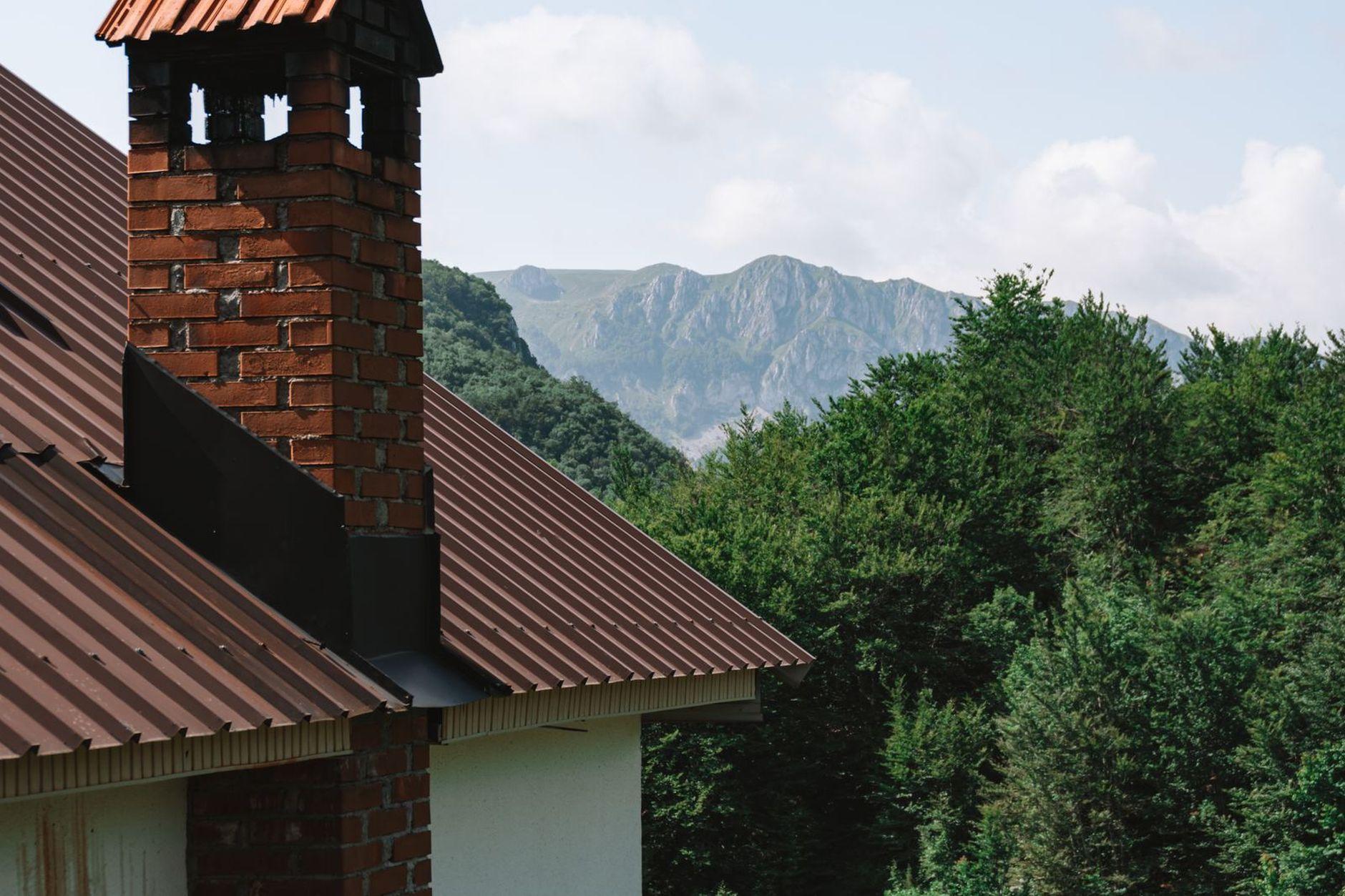
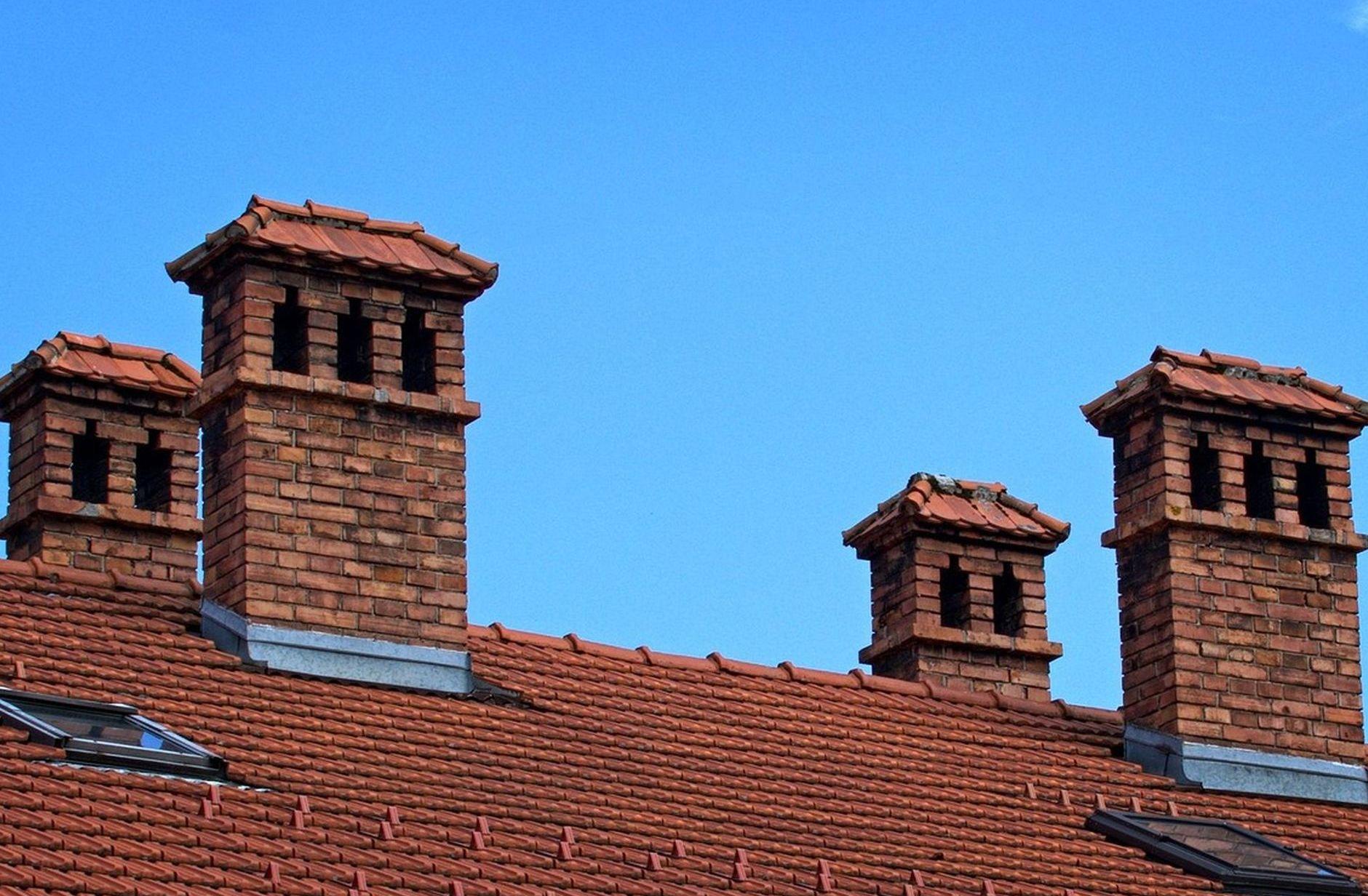
When people price a fireplace insert, they look at the heater: its glass, its flame, its remote. The part that decides whether the install is sound sits out of sight above the firebox. A new insert has to send its exhaust all the way to the top of the chimney through a passage sized for it, and in most older masonry chimneys that passage is a stainless steel liner we drop down the old flue. This post is about that liner: when an insert in Hermosa Beach needs one, what the camera has to show before we fit it, and what sets the price on the written quote.
Why the old flue is not enough on its own
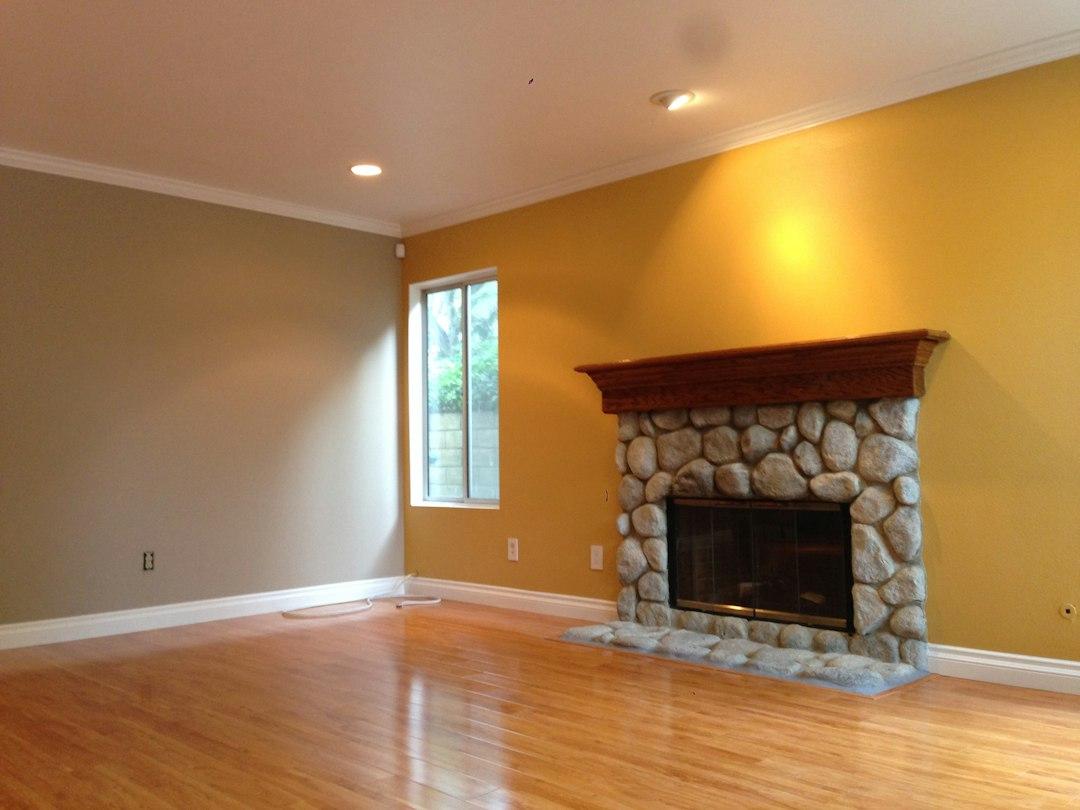
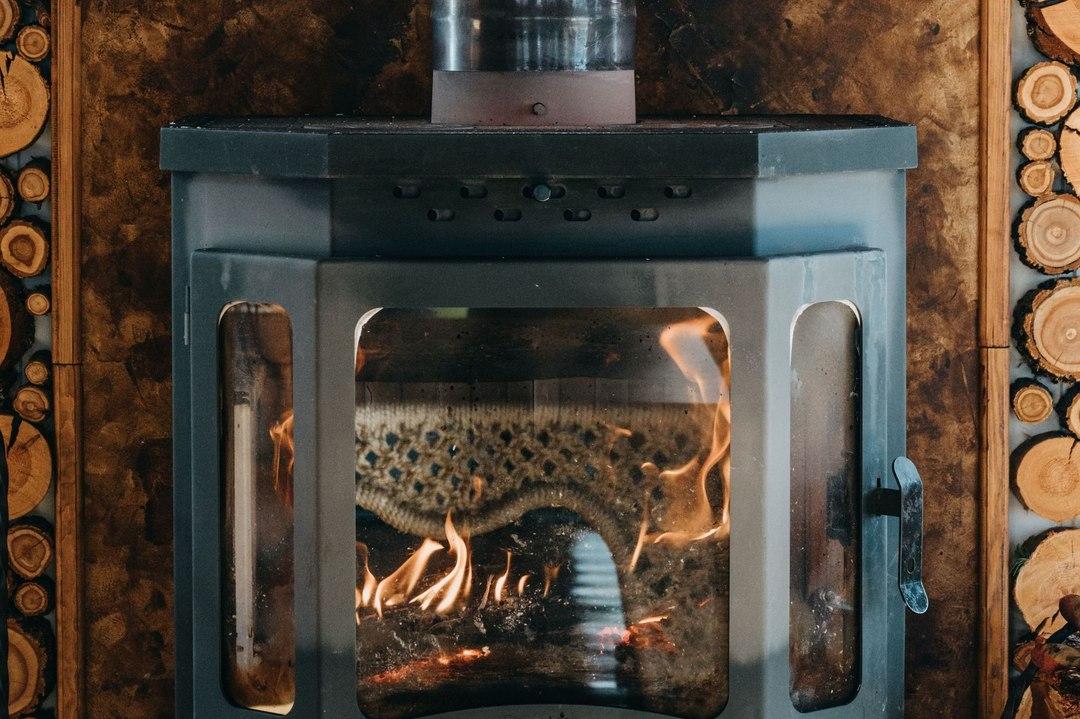
A masonry fireplace built decades ago was sized for an open fire, which pulls a big volume of air and smoke up a big flue. An insert burns in a sealed box and sends out far less exhaust, through a collar a few inches across. Push that small, cooler stream into a large clay flue and it slows, cools and condenses. With wood, that means creosote building fast on the tile. With pellets, it means poor draft and smoke at the door. With gas, the unit's own vent kit has to run to the top or it will not work as designed.
So for each fuel the answer comes out a little different:
- Wood insert: a full stainless liner, sized to the insert collar, from the unit to the top of the chimney, usually wrapped in insulation where the flue is large or the chimney runs up an outside wall.
- Pellet insert: a smaller vent pipe, run up the flue to the top, sized to the unit.
- Gas insert: the two pipes the maker supplies, one for outside air and one for exhaust, run up the flue to a top termination.
In each case the old clay flue becomes a chase that holds the new pipe rather than the passage the smoke uses.
What the camera has to show first
Before we design a liner, we run a Level 2 inspection ($410), which puts a camera through the flue. A liner job lives or dies on four things the camera shows:
- The size and shape of the old flue. Round, square or rectangular, and how many inches across. That sets the largest liner that will pass, and whether it needs to be oval or squeezed at a narrow point.
- Offsets. Many chimneys bend partway up to clear a second floor or meet a roof ridge. A bend changes the kind of liner that will make the turn.
- The smoke shelf and damper throat. The liner has to get from the insert collar up through the throat. A tight throat may need the damper frame cut back.
- Damage to the tiles. Cracks, gaps and shifted sections. A liner does not need perfect tile around it, but damage tells us how the chimney has been treated, and heavy deposits are swept out before anything goes in.
Southern California chimneys carry quake history. The 1987 Whittier Narrows shaking and the 1994 quake left plenty of flues with cracked or shifted tiles that nobody saw from the room. Relining over that damage, with the new pipe carrying the exhaust, is one of the usual ways those chimneys go back into service.
What decides the price
We do not publish a liner figure, because two chimneys rarely need the same one. The quote is written after the camera, and it is built from:
- Height. Liners are sold by the foot, so a two storey stack in Manhattan Beach costs more than a single storey stack in Lomita.
- Diameter and type. The insert collar sets the size. Rigid, flexible or oval pipe is chosen by the flue shape and any bends.
- Insulation. A wrap or poured insulation adds cost where the flue is large or exposed.
- Work at the throat. Cutting back a damper frame or clearing a smoke shelf adds labour.
- The top. A top plate to seal the old flue around the liner, plus a cap. Caps on this site are quoted after we measure.
- Roof access. Steep tile roofs and tall stacks take more time and gear.
Once the camera has run and we have the insert you want in mind, ask for the written liner quote with the form here. Tell us which fuel you are leaning toward and the model if you have one, and we will price the liner and the insert on separate lines.
What the quote should name
A liner quote from us lists the diameter, the length, the type of pipe, the insulation if any, the parts at the top and at the bottom where it meets the insert, and any work at the throat. If a sweep is needed before the liner goes in, it is on its own line (from $440). If the crown or cap at the top needs repair, that is priced separately too, so you can see what belongs to the liner and what belongs to the chimney.
When you compare quotes, check that the liner runs the full height and is sized to the unit's collar, and that the top is sealed. A short liner that stops partway up, or a pipe one size off, is a common shortcut, and it is the kind that shows up later as smoke in the room or a dirty flue.
When relining is the whole job
Not every liner comes with a new insert. Some owners in Hermosa Beach and Palos Verdes Estates call us because a camera inspection found broken tiles in a flue they still want to use as an open fireplace, or because a gas water heater or furnace shares a masonry chimney and its vent needs its own pipe. We plan those relines the same way: camera first, then a written quote by the foot with the top and bottom parts named. Our liner installation page covers those jobs.
Getting it planned
If you are planning an insert, the liner is part of the plan from the start, not an add-on at the end. Our insert pricing post covers the heater side. To get the camera and the measuring on the calendar together, reach us through the contact page.
Narrowed It Down to Two Options?
Connelly can measure the opening and put both choices on one written quote, with what each needs in liner, gas line and chimney work. Install crews start in Hermosa Beach and cover Manhattan Beach, Lomita, Palos Verdes Estates and towns across the county.