Four upgrades, one open fireplace
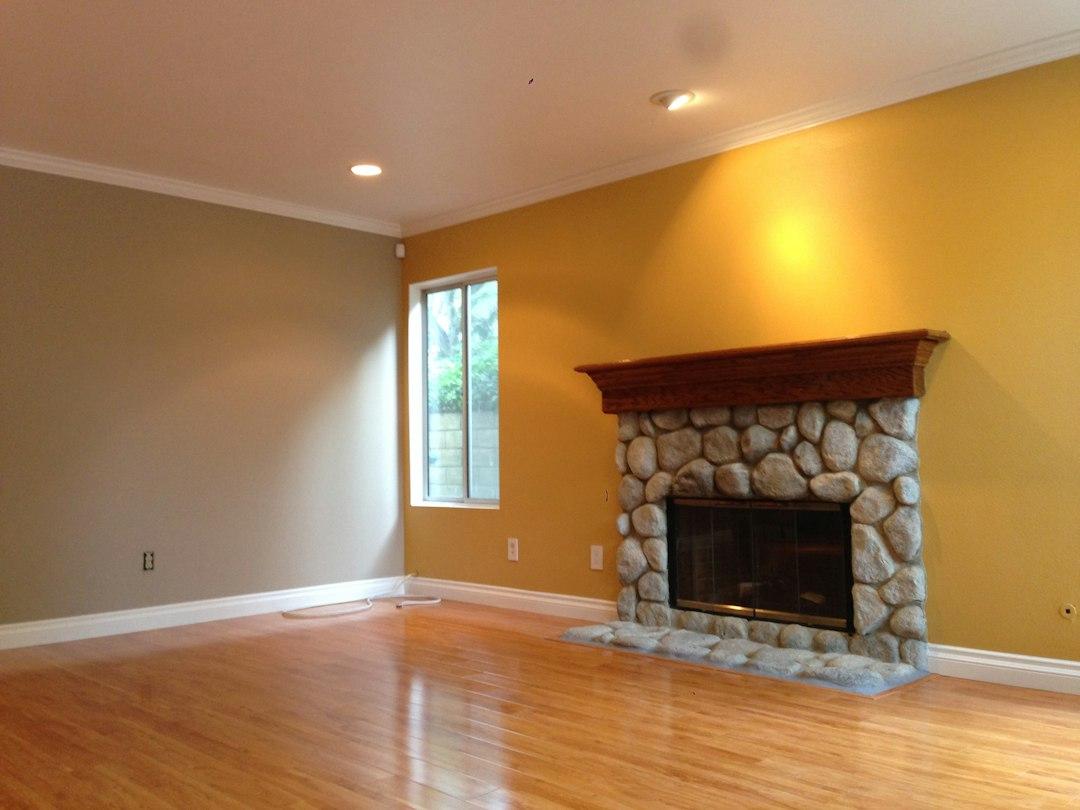
An open masonry fireplace is a poor heater. Most of the warmth from the fire goes up the flue, and on a windy night the chimney keeps pulling room air out of the house long after the embers die. Owners in Hermosa Beach who want more from that brick opening usually choose between four upgrades: a gas log set, a gas insert, a pellet insert or a wood insert. Connelly Chimney Pros plans and fits all four, so this post compares them on the questions people actually weigh: heat, upkeep, what the chimney needs and price.
The four, side by side
| Question | Gas log set | Gas insert | Pellet insert | Wood insert |
|---|---|---|---|---|
| Main reason to choose it | The look of a fire with no ash | Real heat at the turn of a knob | Steady heat from bagged fuel | Real flame and a crackle |
| Glass front | No, the opening stays open | Yes, sealed | Yes, sealed | Yes, door with a gasket |
| Room heat | Low | Medium to high | Medium to high | High |
| Needs a liner | No, the damper is clamped open | Two vent pipes up the flue | Small vent pipe up the flue | Full stainless liner to the top |
| Needs power | Only for some remotes | For a blower or some ignitions | Yes, always | No |
| Price on this site | Quoted after the visit | $2,950 to $5,900 installed | Quoted after the visit | Quoted after the visit |
Gas log set
A log set sits in the existing firebox and burns gas through a burner hidden under ceramic logs. It is the lightest change of the four. The fireplace still works as an open fireplace, which means the damper has to be held partly open whenever the logs run, and much of the heat still goes up the flue. Choose logs if you want the flame picture on a few evenings a year and do not need the room warmer. They suit beach houses where the fireplace is more for the look than the cold. Log sets vary a lot in size and burner type, so we quote them in writing once we know the box and whether a gas line is already at the hearth.
Gas insert
A gas insert is a sealed steel heater that slides into the firebox, with glass across the front. Two vent pipes run up inside the old flue, one bringing outside air down to the burner and one carrying exhaust up and out, so the room air stays in the room. It lights with a remote or switch, holds a set temperature with a thermostat, and has no ash to carry out. For most owners who want to heat a living room on winter evenings, this is the upgrade that pays back the most comfort per dollar. Our installed range is $2,950 to $5,900; our gas insert pricing post breaks that range down.
A practical point for anyone in Los Angeles County: South Coast AQMD Rule 445 calls no-burn days in winter for wood fires. A gas insert is not a wood fire, so it keeps running on those nights.
Pellet insert
A pellet insert burns small pellets of compressed sawdust, fed from a hopper by a motor-driven auger. It gives steady, even heat, and one hopper load runs for many hours. The tradeoffs: it needs a power outlet at the hearth, the fans make a low hum, the fuel comes in bags you store and lift, and the unit needs regular care of its burn pot and ash. Pellet units suit owners without gas at the hearth who still want a heater, and owners who like the idea of a wood-based fuel without splitting logs. The vent is a smaller pipe run up the flue. Because fewer models fit a given opening, and the vent run varies, we quote pellet inserts in writing after we measure. We also repair pellet stoves and inserts that are already in place.
Wood insert
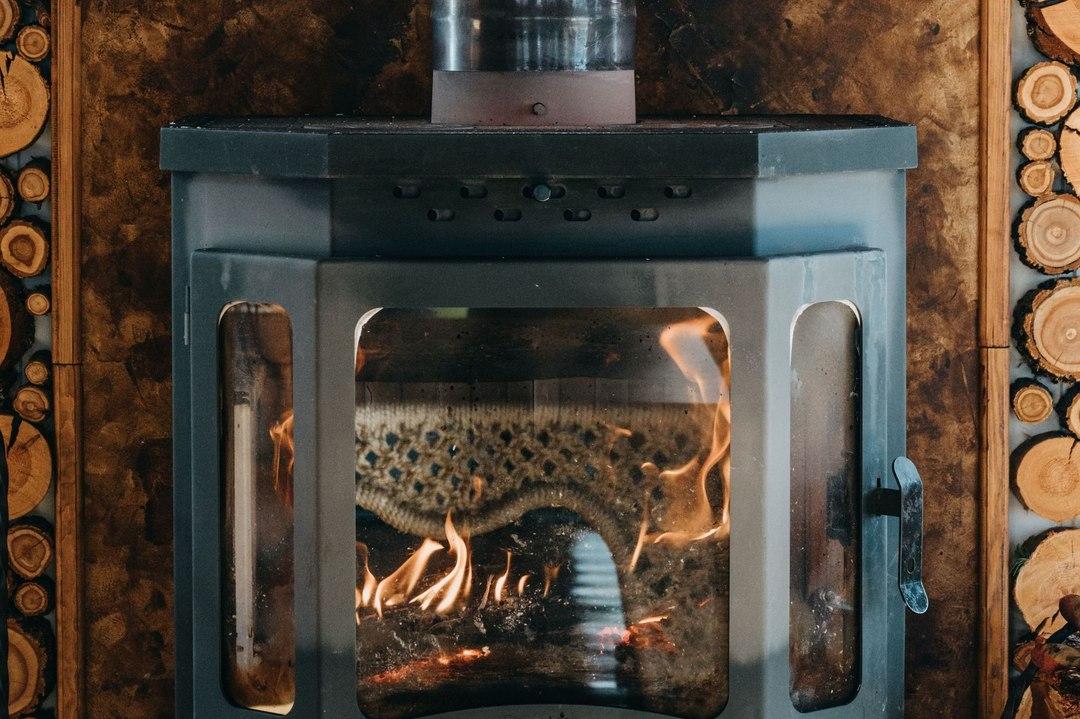
A wood insert is a heavy steel or cast iron firebox with a gasketed door that fits into the old opening. It burns much hotter and cleaner than the open fire it replaces, and it puts far more of that heat into the room. It still means wood to buy, store and carry, ash to empty, and sweeping on a schedule. It also needs a full stainless liner from the insert collar to the top of the chimney, sized to the unit, which is the biggest variable in the cost. Wood inserts are quoted in writing after a Level 2 inspection and a measure of the flue.
What decides between them
Three answers settle most choices:
- Do you want heat or a flame to look at? Looks alone points to logs. Heat points to one of the three inserts.
- Is there gas at the hearth? If yes, a gas insert is usually the simplest heater. If no, compare the cost of running a line against pellet or wood.
- How much handling do you want? Gas needs none. Pellet needs bags and a weekly clean of the burn pot. Wood needs the most.
Once you have those three answers, send them to us through the form here along with the room the fireplace heats, and we will come out, measure the box and write up the two options that suit the room, priced side by side.
The chimney comes first for all four
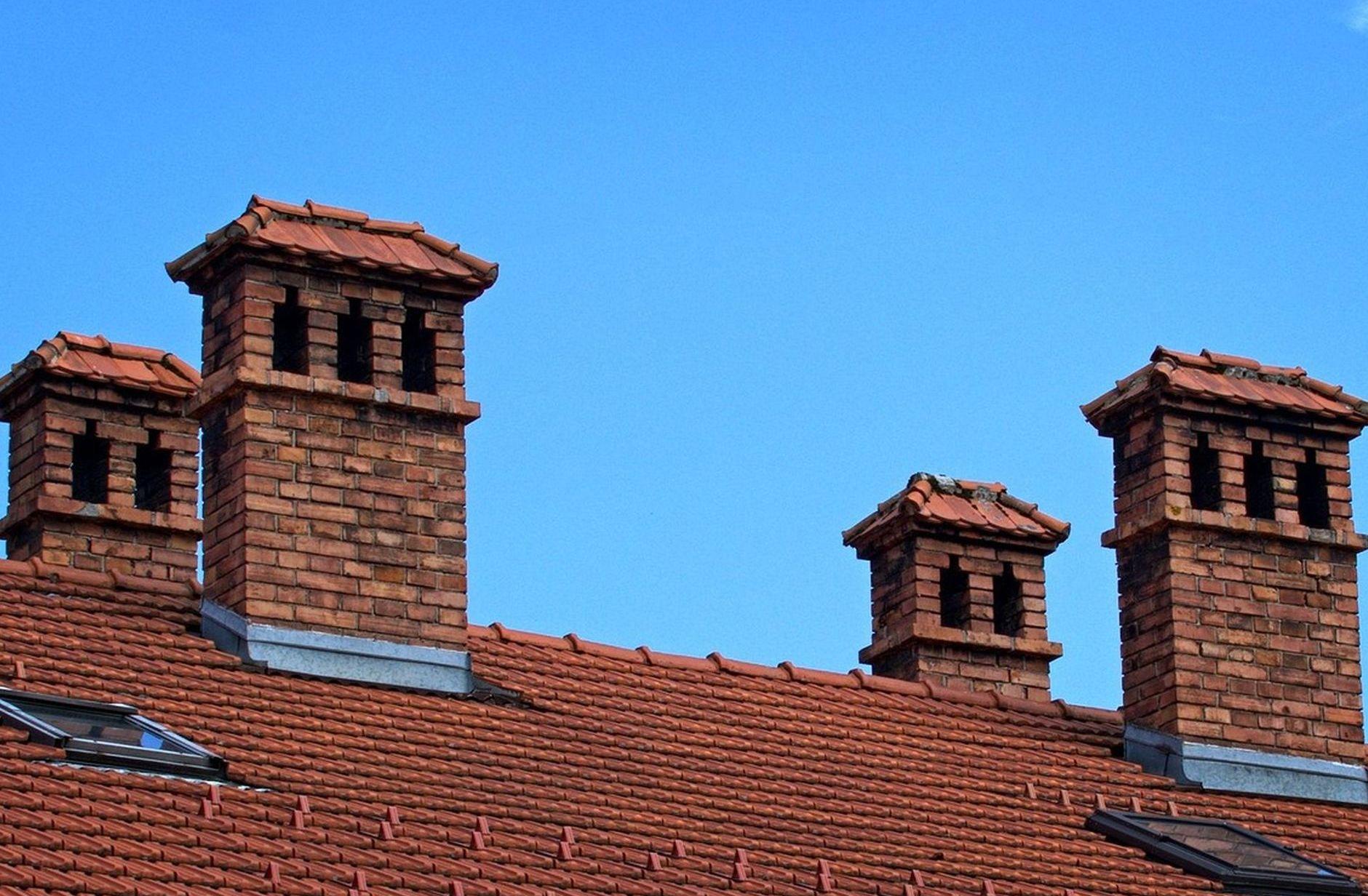
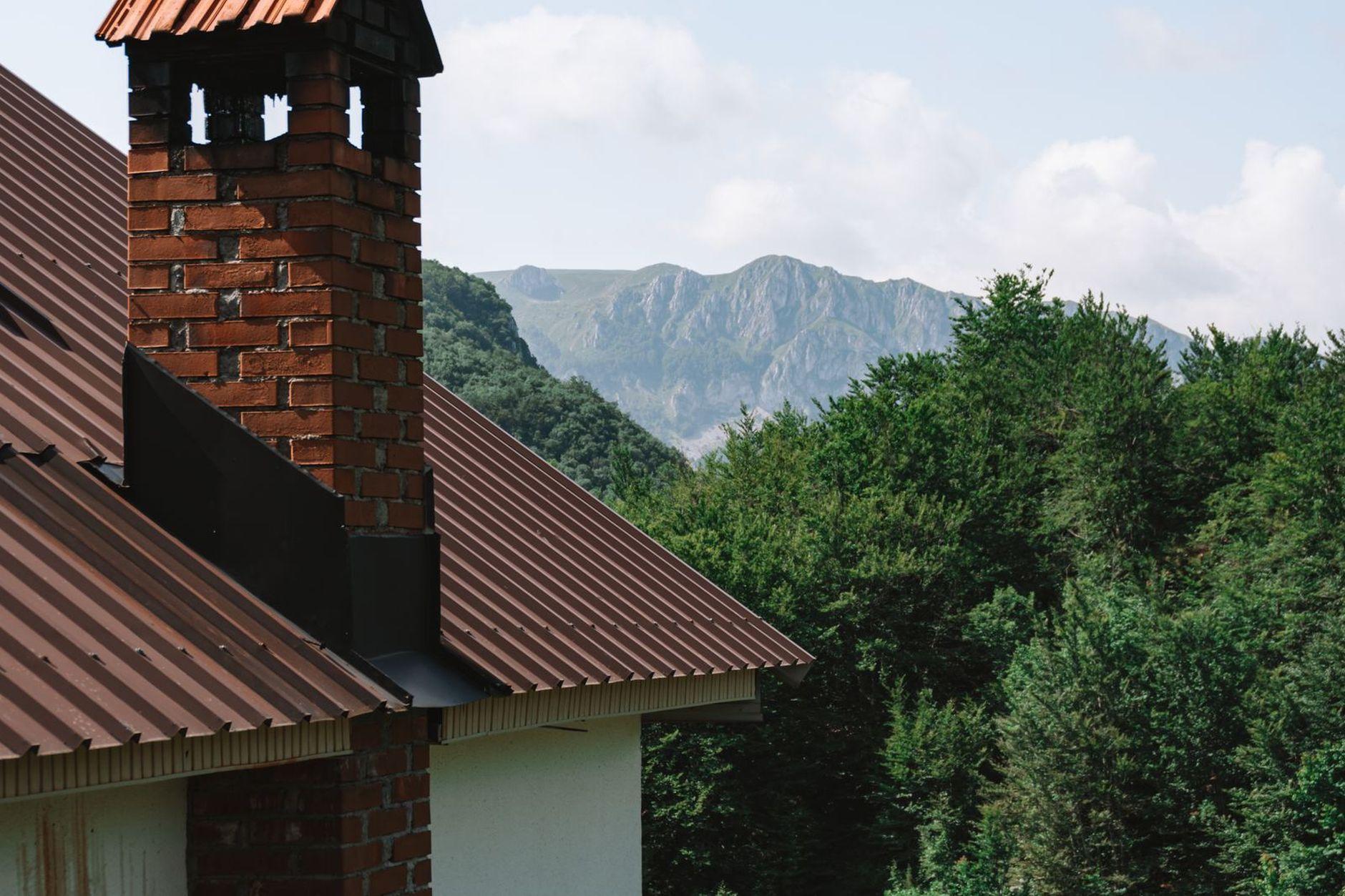
Whichever upgrade you pick, the chimney behind it gets looked at before anything is fitted. An insert changes the kind of appliance using the flue, so we run a Level 2 inspection ($410) with a camera through the flue to see the tiles, the smoke chamber and the top. Gas logs keep the open fireplace in use, so the damper, the firebox and the flue all still matter. If the chimney needs work first, such as a new cap, crown repair or a liner for the new insert, that work is quoted on its own lines.
Planning one for your house
Our lead services are exactly these upgrades: fireplace inserts, gas logs and pellet stove repair. We cover Hermosa Beach, Manhattan Beach, Lomita and Palos Verdes Estates. When you know which of the four you lean toward, or want help choosing, start on the contact page.
Narrowed It Down to Two Options?
Connelly can measure the opening and put both choices on one written quote, with what each needs in liner, gas line and chimney work. Install crews start in Hermosa Beach and cover Manhattan Beach, Lomita, Palos Verdes Estates and towns across the county.