
An insert changes what the inspection has to find
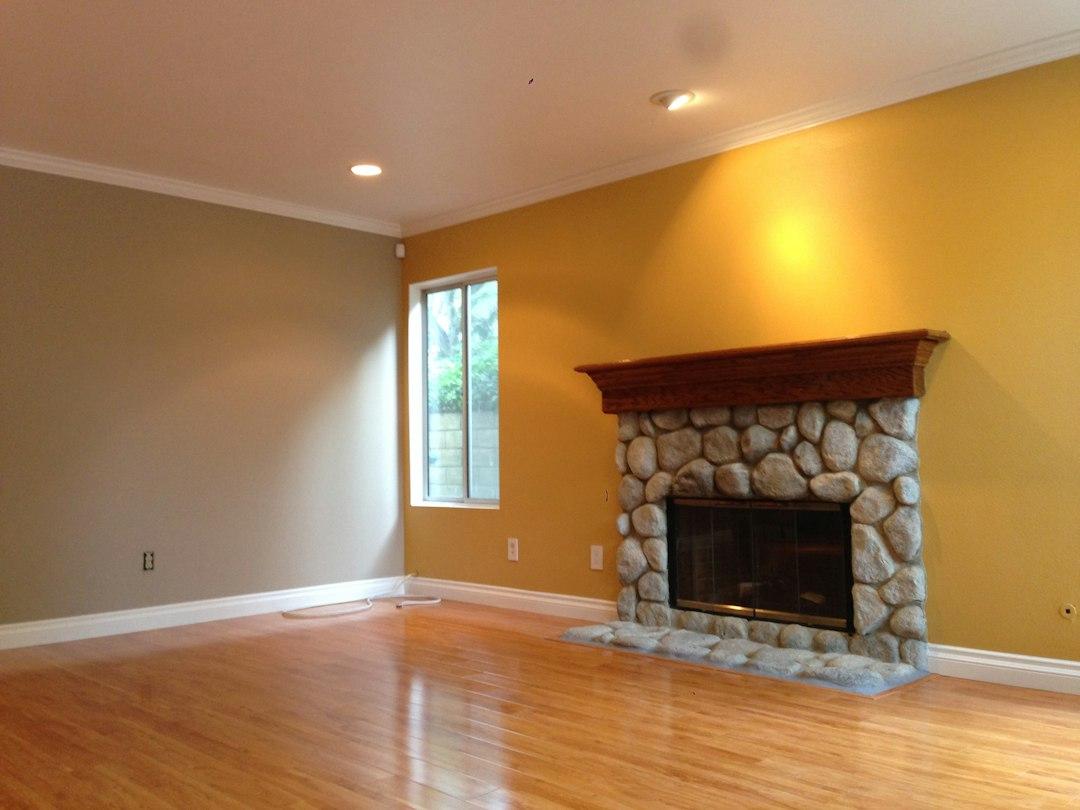
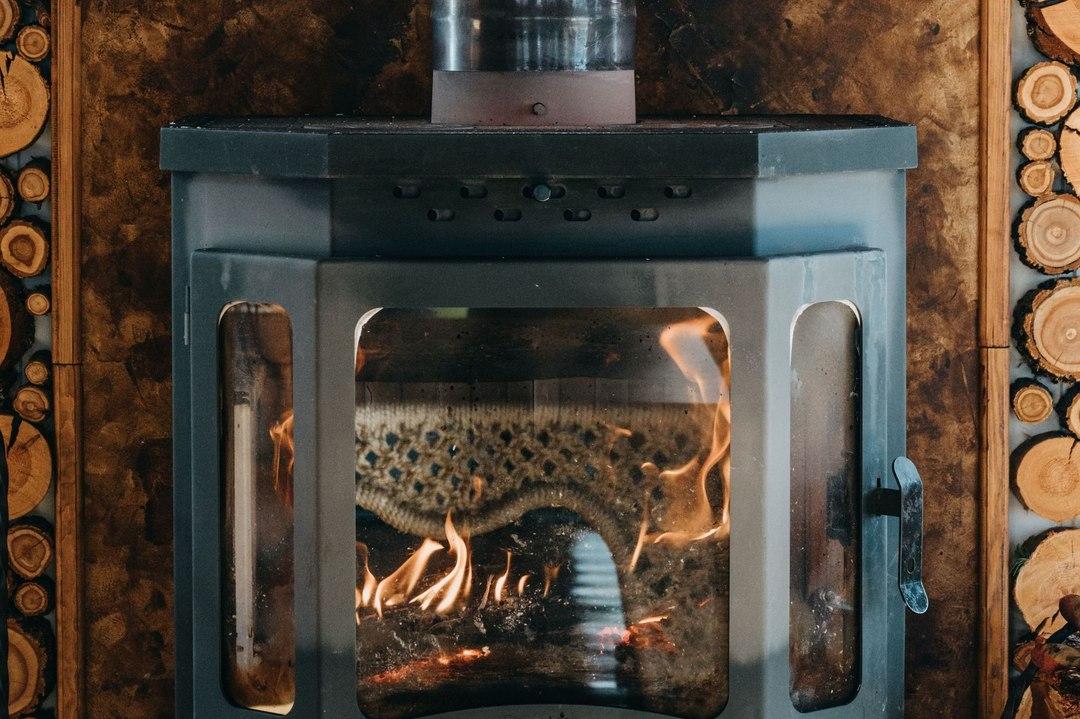
Listings in the beach cities often show a fireplace with glass across the front: a gas, wood or pellet insert that an earlier owner fitted into the old brick opening. For a buyer that looks like a plus, and it can be. It also hides most of the chimney. The steel box fills the firebox, its vent runs up out of sight, and the parts that decide whether the install was done well sit behind the surround panel and inside the flue. This post is for buyers in Hermosa Beach and nearby who are about to buy a house with an insert, and want to know what the chimney inspection has to cover before the contingency runs out.
Which inspection fits a sale
NFPA 211 grades chimney inspections by how deep they go. When a house changes owners, the standard calls for the middle level, a Level 2, because the buyer has no history for the system and much of it cannot be seen from the room. On this site a Level 2 is $410. On top of the Level 1 checks, it records video of the flue interior and covers the hidden stretch of chimney between the ceiling and the roof deck.
For a house with an insert, the general home inspector usually notes the unit is present, perhaps that it lit, and recommends a chimney specialist. That note is the reason for this visit.
What we look at on an insert
On top of the usual Level 2 items, an insert means a few specific checks:
- The label plate. Every insert carries a plate with the maker, model and listing. We record it so you know what you are buying and can find its manual and parts later.
- A liner, and where it goes. For a wood or pellet insert we check that a liner or vent pipe runs from the unit collar to the top of the chimney, not just a short stub into the smoke chamber. For a gas insert we check that both vent pipes reach the top termination.
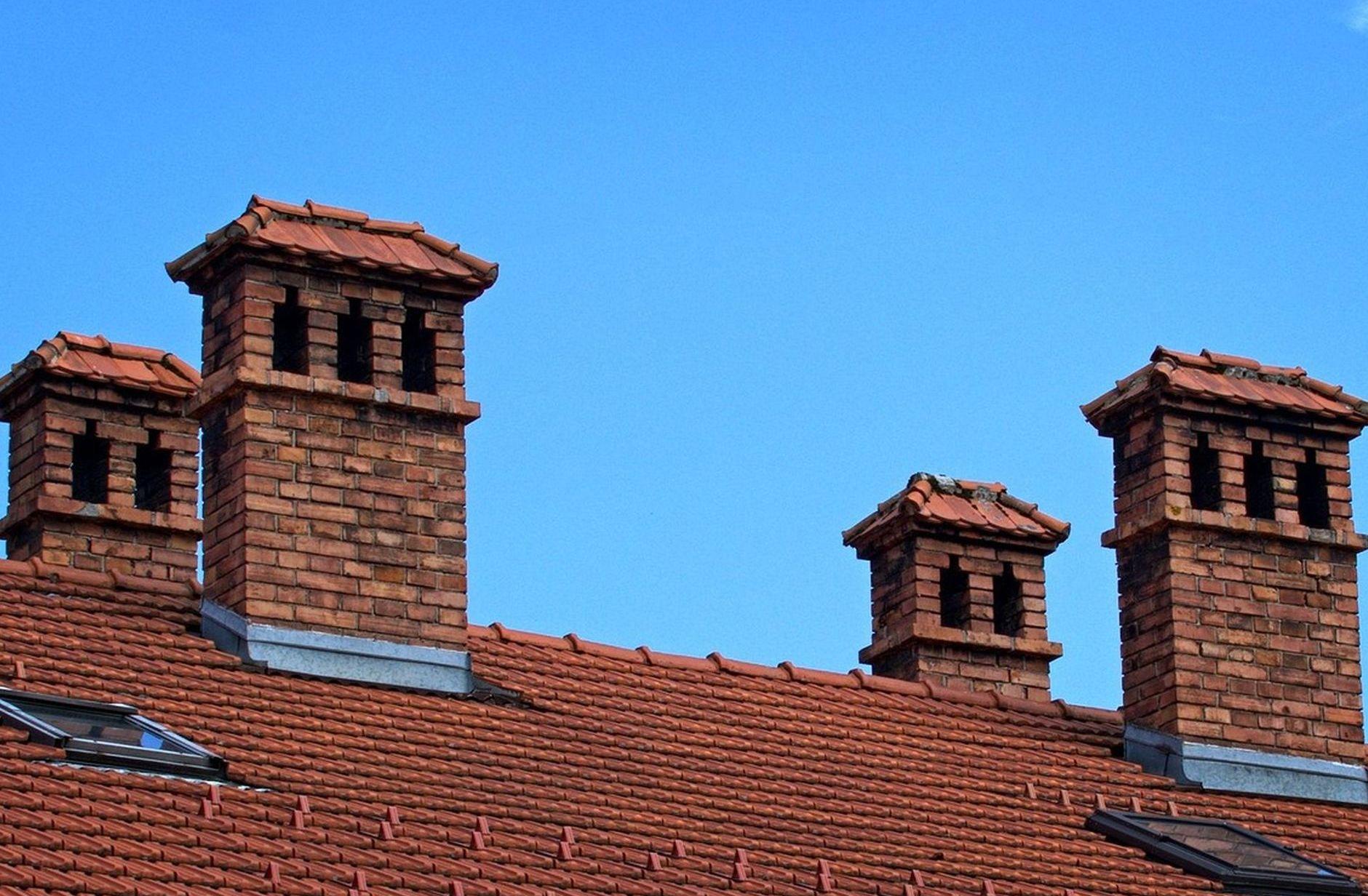
- The top. A sealed top plate around the liner, a cap, and the condition of the crown. In salty coastal air, rusted caps and plates show up more often than buyers expect.
- Clearances. Distance from the unit and its surround to the mantel, trim and floor.
- The gas or power connection. For gas, the shutoff valve and the line into the unit. For pellet, the outlet and cord.
- Signs of trouble at the glass. Heavy soot, a cloudy film or scorching on the face can point to a venting fault.
If the camera cannot get past the insert to see the flue, the report says so plainly. Some inserts have to be slid out to see what is behind them. That is a separate step, quoted in writing, and we ask the seller's side before moving anything.
Ordering the steps in escrow
The order matters more than the speed. A sensible sequence:
- Get the general home inspection report and see what it says about the fireplace.
- Ask your agent to arrange access with the listing agent, and tell us how many fireplaces the house has and which ones hold inserts.
- Book the Level 2 so the report and photos come back while you still have room to ask for repairs or a credit.
- Read the findings with your agent and decide what to ask for.
Our home sale inspection page sets out the same order for any fireplace, insert or not.
What the findings usually cost
Most findings on an insert fall into a few groups, and some carry prices on this site:
- Rain getting in at the chimney: finding the entry point and sealing it costs $590 to $3,550, set by where the water comes through.
- Sooty flue above a wood insert: a sweep is from $440.
- No liner, a short liner or the wrong size: quoted in writing after the camera, by the foot.
- Missing or rusted cap: a new one is quoted on site.
- A gas insert that needs replacing outright: a new one installed runs $2,950 to $5,900.
Anything else, such as crown work, a new top plate or repairs to the insert itself, is quoted in writing with the parts named. When a finding matters to your offer, use the form on this page to tell us the address, your agent and which findings you want priced, and we will write them up as separate lines you can hand to the seller's side.
Repair or credit with an insert
An insert install is specialised work, and some buyers prefer a credit so they can choose who fixes it and see the job done. Others ask the seller to correct it before closing. Either way, the written quote gives both sides the same list to talk about. If the insert itself is old or the wrong size for the box, replacing it may make more sense than repairing the venting around it, and we will say so in the report with the reasons.
After you get the keys
Keep the report and the label plate details with your house papers. If the insert burns wood or pellets, plan a sweep and a look at the vent on a regular schedule. If it is gas, an annual service of the burner, pilot and glass keeps it lighting cleanly. Our fireplace insert page covers service and replacement.
Ready to book
Buying in Hermosa Beach, Manhattan Beach, Lomita or Palos Verdes Estates and the fireplace holds an insert? Our contact page is the place to start; mention what kind of insert the listing shows and when your contingency ends.
Narrowed It Down to Two Options?
Connelly can measure the opening and put both choices on one written quote, with what each needs in liner, gas line and chimney work. Install crews start in Hermosa Beach and cover Manhattan Beach, Lomita, Palos Verdes Estates and towns across the county.