The figure first
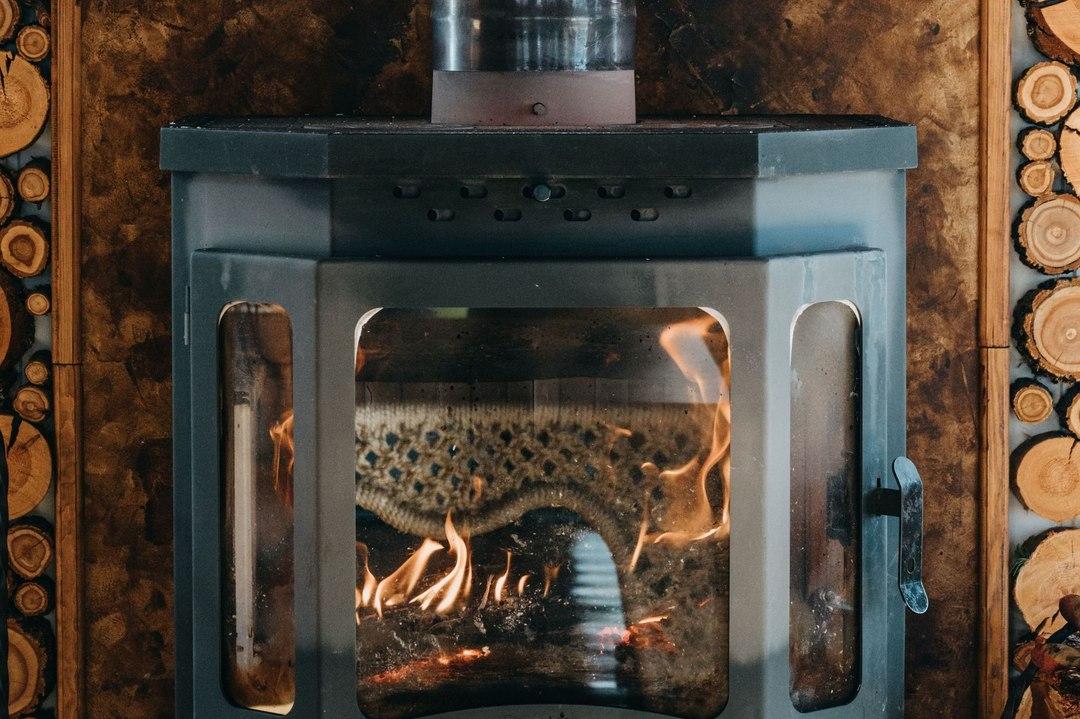
Connelly Chimney Pros fits gas inserts into existing masonry fireplaces for $2,950 to $5,900, installed. That span covers the heater itself, the venting that runs up through the old flue, the gas hookup at the hearth, the trim panel and the first firing with you in the room. Where a Hermosa Beach house lands inside the span comes down to a handful of things we can measure on one visit, and this post sets them out so our written quote reads like something you already half expected.
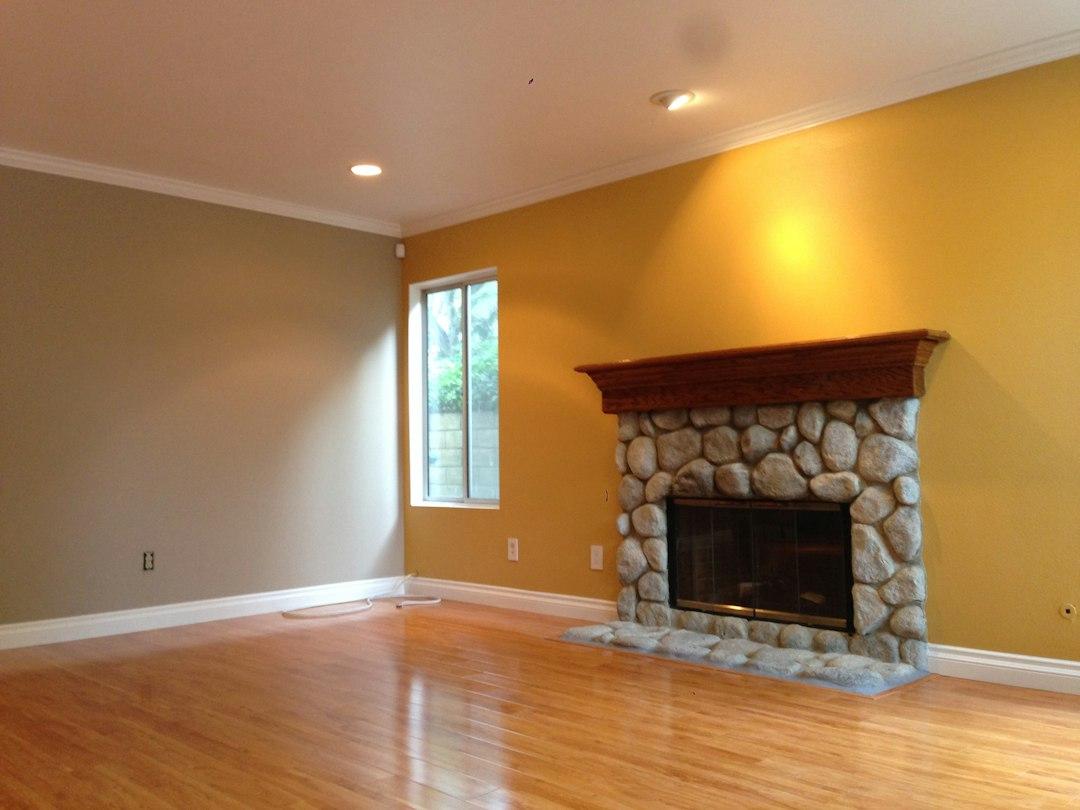
Some owners ask about a gas fireplace built into a wall that never had one. That is another kind of project: framing, a fresh vent route through the roof or an outside wall, and finish work around the new box. On this site it runs $4,700 to $9,450. If your living room already has a brick opening that pulls warm air up the chimney every winter evening, the insert is almost always the cheaper road to real heat.
Five things that move the price
- Firebox size and shape. Every insert model fits openings inside a certain band of width, height and depth. A shallow box takes a compact unit, and compact units cost less. A box that is wide but shallow can narrow the field to two or three models, which can push the price up or down depending on which ones fit.
- How much heat you want. A unit chosen mainly for the flame picture, with modest output and a basic remote, sits near the bottom. A heater meant to warm an open ground floor, with a blower and a thermostat remote, sits nearer the top.
- The surround. A face panel closes the gap between the steel box and your brick or tile. A standard panel is part of the base figure. An oversize panel to cover a very large opening adds to it.
- Gas at the hearth. If a gas valve or log lighter already sits beside the firebox, the hookup is short. If the nearest line is in the kitchen or under the house, extending it is a line of its own.
- Power behind the panel. Blowers and some ignition systems need an outlet inside the opening. If there is none, adding one is quoted.
Each of these is checked on the visit, not guessed from a phone call, and each shows up as its own line.
The chimney has to pass first
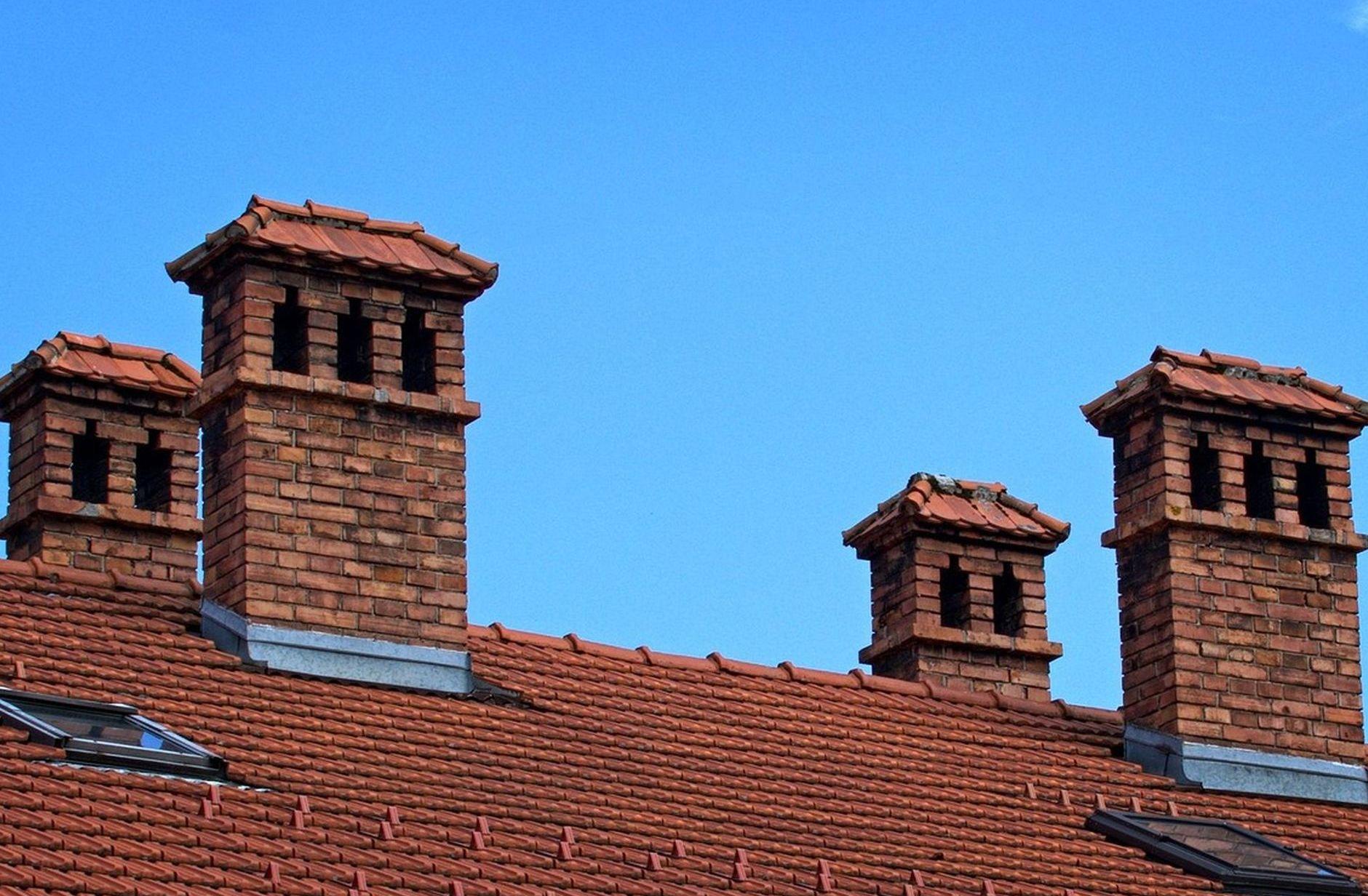
Fitting an insert changes what the chimney is being asked to do, and NFPA 211 treats a change like that as a trigger for a Level 2 inspection, the level that puts a camera inside the flue. On this site a Level 2 is $410. We schedule it as part of the insert planning, so the camera pass and the measuring happen on the same trip when the house allows it.
What the camera is checking for an insert: enough room in the flue for the two vent pipes, a smoke chamber and damper throat wide enough to pass them, flue tiles without open cracks, and a top that will keep rain off the new parts. If the old damper plate blocks the path, it is taken out or fixed open as the insert's installation manual directs.
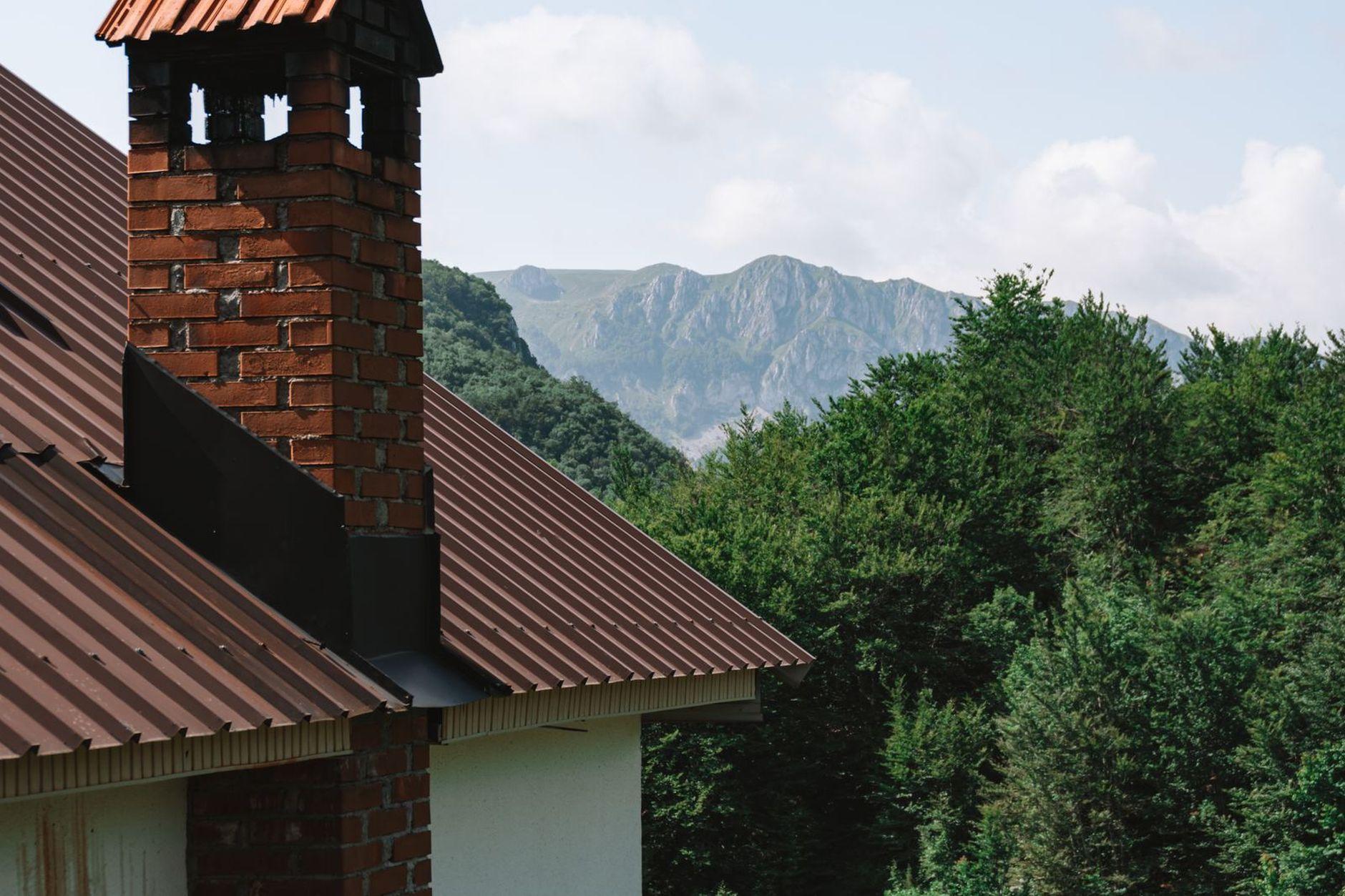
Salt air is part of the picture in the beach cities. Steel caps, damper frames and screws near the water rust faster than the same parts a few miles inland in Lomita. If the cap is missing or rotted through, a new one is quoted after we measure the flue, and the price depends on its size and how many flues it covers.
Why the gas figure is the one we publish
Gas insert jobs look alike from house to house. The vent kit, the hookup and the set-up time stay close enough that a published range is honest. Wood and pellet inserts swing much further. A wood insert needs a full stainless liner from the collar of the unit to the top of the chimney, and the cost of that liner follows the chimney height and the shape of the old flue. A pellet unit needs a smaller vent and a power outlet, and fewer models fit a given box. Both are quoted in writing after we measure, with the unit, the liner and the labour on separate lines. Our side by side post, gas logs, insert or pellet, compares all of them.
Low half or high half?
A rough guide. If your opening is on the small side, a gas valve already sits at the hearth and you mainly want a steady flame for the evenings, expect the lower half of the range. If the box is deep, there is no gas line nearby and you want the unit to heat a big open room in Palos Verdes Estates or a two level house in Manhattan Beach, expect the upper half.
The way to know for sure is to let us measure. Use the form on this page to tell us which room the fireplace is in, whether it burns wood or gas today, and whether you are after looks or warmth. We bring sizing sheets for the models that suit that answer and write the quote against your own box.
What the written quote lists
Every insert quote we hand over shows:
- the make and model we propose, its heat output and the opening size it needs;
- the vent parts and their run up the flue;
- the gas and electrical work, if any;
- the surround panel and trim;
- any chimney work needed first, priced apart from the insert, such as a cap or a sweep (from $440);
- the Level 2, if it is not already done.
That layout lets you set our quote beside any other and compare the same lines. When another figure looks lower, check whether it carries the vent kit and the inspection. Those two are the items most often missing.
Extras owners ask about
A thermostat remote, a blower, a different log set or front, and a wall switch come up on most visits. Each is a separate line with its own figure, so you can strike one off if the total runs past your budget. Work on the old chimney is kept apart from the insert lines for the same reason: you see which money buys the new heater and which money repairs the house around it.
Where to start
Thinking about an insert before the cold nights come back? Tell us about the fireplace through our contact page and we will set up the camera inspection and the measuring visit together.
Narrowed It Down to Two Options?
Connelly can measure the opening and put both choices on one written quote, with what each needs in liner, gas line and chimney work. Install crews start in Hermosa Beach and cover Manhattan Beach, Lomita, Palos Verdes Estates and towns across the county.