Water is what ruins a new insert
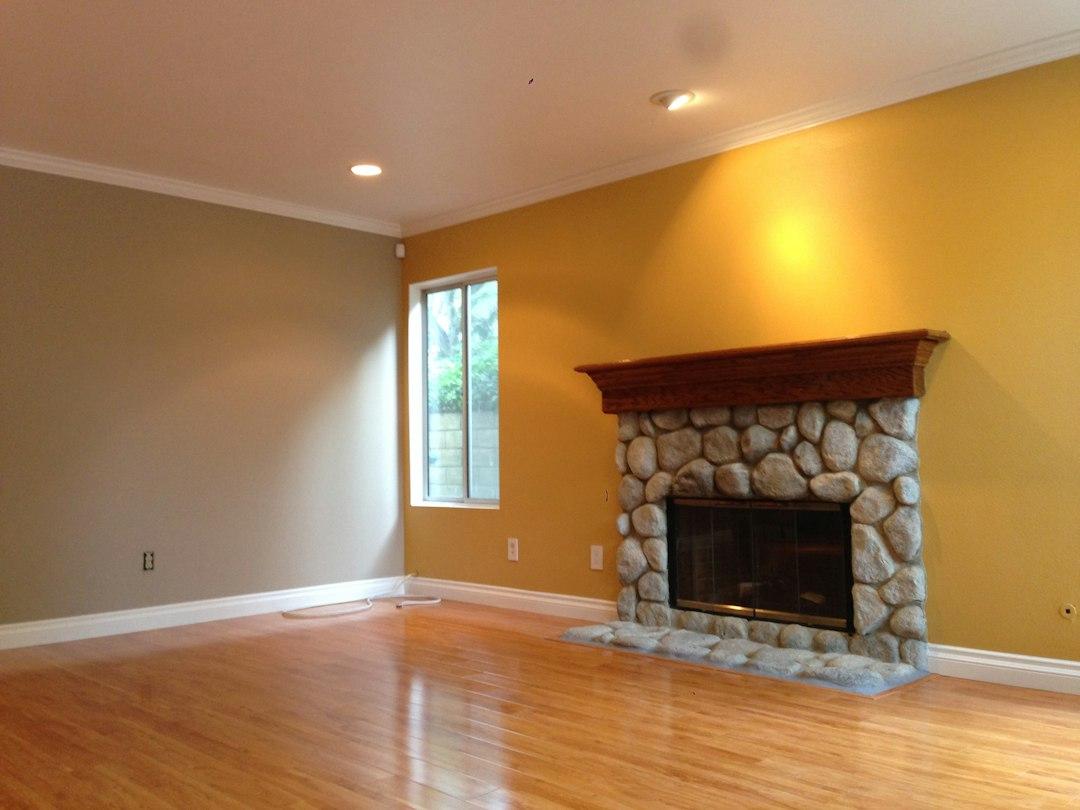
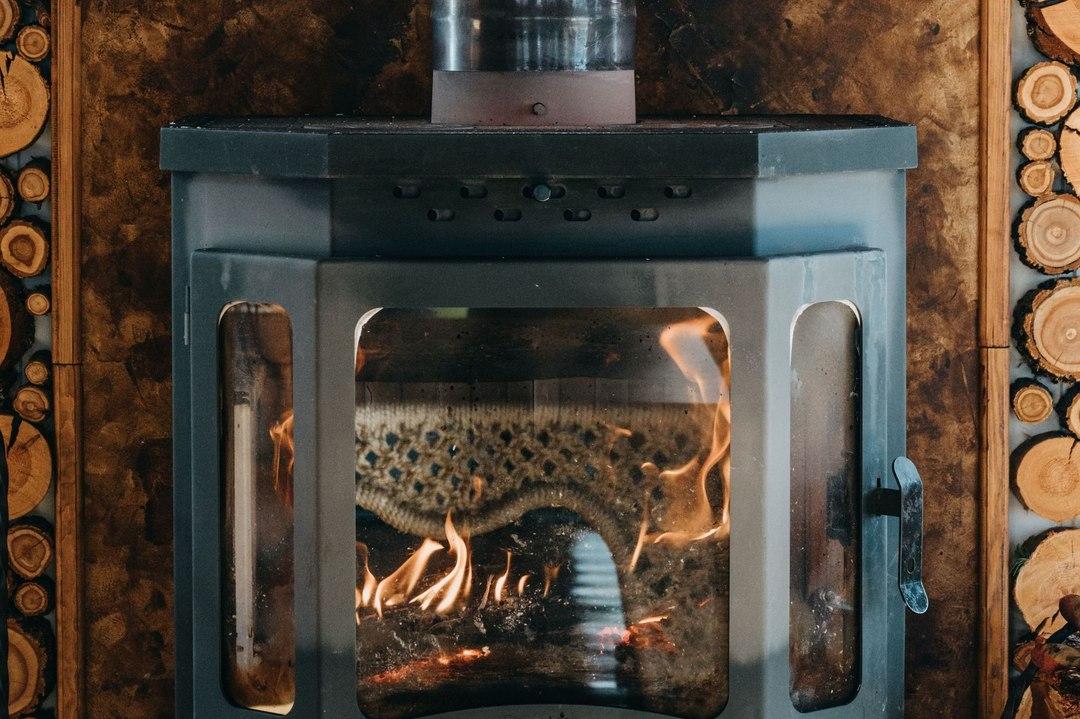
An insert and its liner are steel. Steel and salt water do not get along, and a chimney top that lets rain in sends that water straight down onto the new parts: the top plate, the liner, the vent connections and the insert body. A heater can be perfectly sound and still rust out early because the top of the chimney let it down. So when Connelly Chimney Pros plans an insert in Hermosa Beach, the top of the chimney gets planned with it. This post covers the four parts up there, what tends to go wrong with each near the coast, and how each is priced.
The four parts at the top
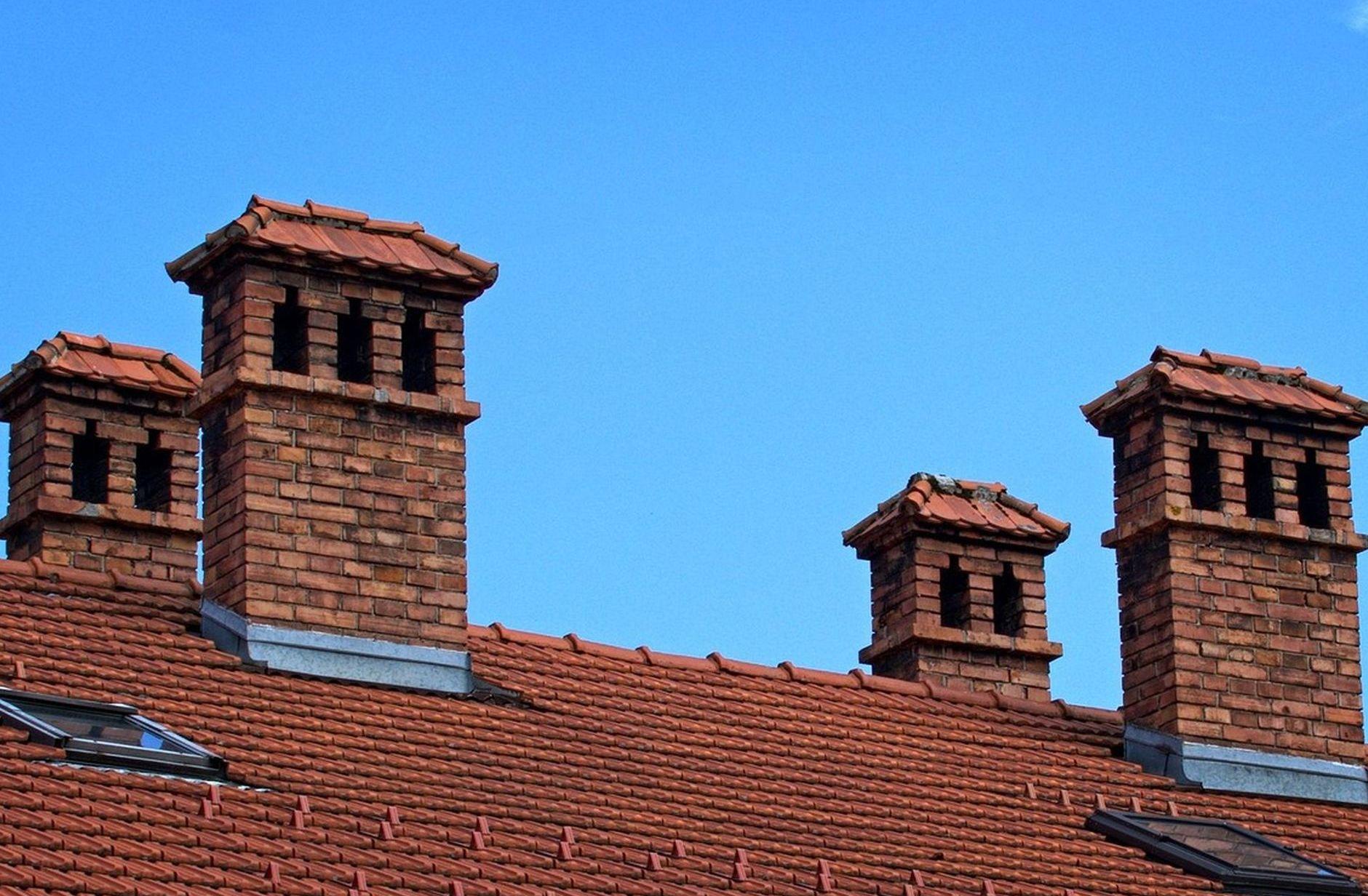
- The crown. Rain lands first on this poured cement lid, which closes the brick around the flue and should push water outward. When it cracks or crumbles, water soaks into the masonry and runs down beside the flue.
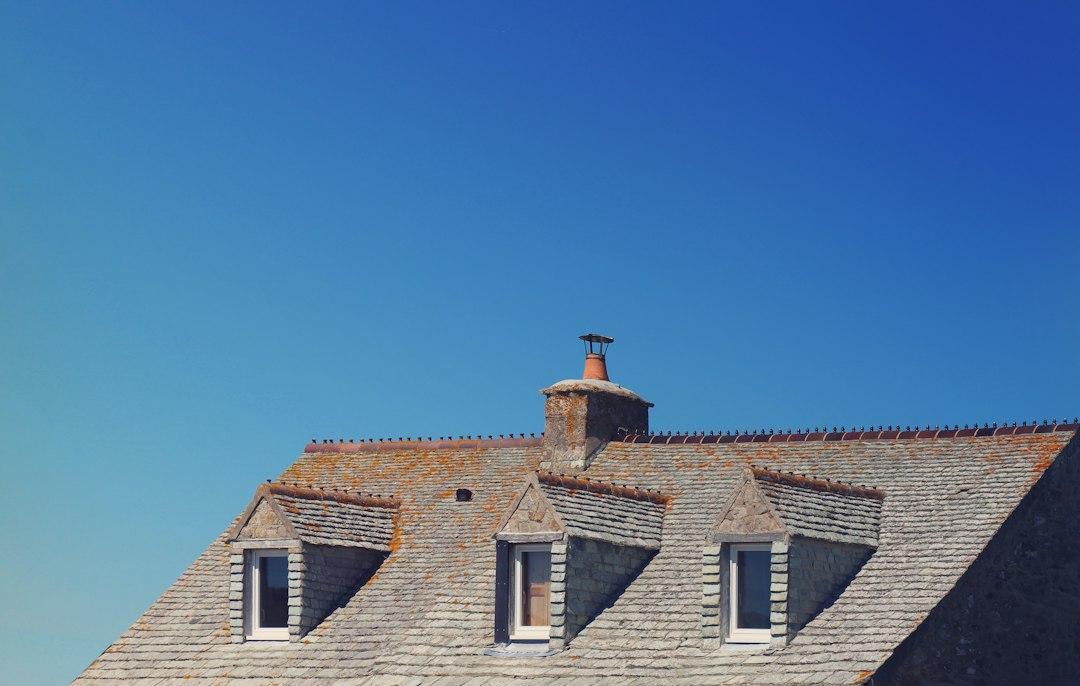
- The cap. The metal hood and screen over the flue opening. It keeps rain, birds and leaves out of the flue, and on a relined chimney it often bolts to the top plate.
- The chase cover. On a factory-built fireplace, the chimney is a framed box, called a chase, sided to match the house. The chase cover is the metal pan that closes its top. It is the factory-built cousin of the crown.
- The flashing. The metal where the chimney meets the roof. If it lifts or rusts, water runs in along the side of the chimney.
What marine air does up there
Within reach of the ocean, salt rides the fog and settles on everything on the roof. Galvanized steel caps and chase covers rust through faster than they would inland. Fasteners go first, then the corners where water sits. A chase cover that rusts lets water into the wooden chase, where it rots the framing and drips onto the top of the factory-built firebox. Crowns crack from ordinary weathering and from the shaking of past quakes, and in coastal air the steel in and around them corrodes and widens those cracks. None of this is visible from the street. It is one of the things the camera inspection and the roof check before an insert are there to find.
How each fix is priced
| Item at the top | Our price |
|---|---|
| Tracing a leak at the chimney and sealing it | $590 to $3,550 |
| A small diverter on the uphill side of a wide chimney | $470 to $1,065 |
| That diverter plus new roof metal around the stack | $710 to $1,750 |
| Crown repair or a recast crown | Quoted in writing |
| Chase cover, stainless or coated | Quoted in writing |
| Water repellent for the brick | Quoted in writing |
| New cap and screen, sized to the flue or flues | quoted after we measure |
Crown work is quoted after we see it, because a hairline crack that needs sealing and a crown broken into pieces that needs recasting are very different jobs. Chase covers are made to the size of the chase, and the material you choose for a coastal roof changes the price, so those are quoted too.
What decides the quote at the top
Four things drive the numbers above and the ones we quote:
- Size. A wide chimney with several flues needs a larger cap, a larger crown and a larger chase cover.
- Damage under the surface. A crown that has let water in for years may have loose brick under it, which adds masonry work.
- Roof type and pitch. Clay tile and steep roofs take longer to work on safely.
- Material. Stainless steel lasts longer in salty air than galvanized steel, and costs more.
If you are planning an insert and want the top priced at the same time, use the form on this page to tell us the kind of roof, whether the chimney is brick or a sided chase, and whether you have seen stains on the ceiling or wall near the fireplace. We price the top on its own lines beside the insert.
Order of work
The top goes before the insert, or in the same visit. Fit the liner and the insert under a leaking crown and you are wetting new steel from day one. A typical sequence for us:
- Level 2 inspection with a camera ($410), which also covers the roof and the crown.
- Crown, cap, chase cover and flashing work as needed.
- Sweep if the flue needs it (from $440).
- Liner or vent, then the insert itself.
Doing it in that order also keeps the paperwork simple. The report from the camera visit shows the top as we found it, the repair lines show what we did to it, and the insert quote starts from a chimney that is dry. If you sell the house later, a buyer's inspector can follow the same record from the roof down to the new heater, with photos of each part before and after the work.
When the top is the whole job
Some owners come to us for the top alone, with no insert in mind. A stain on the ceiling after the first winter storm, rust streaks down the siding of a chase, or a cap blown off in Santa Ana winds are all jobs in their own right. Our pages on crown repair, chase covers, leak repair and waterproofing cover each.
Next step
Whether the top is your whole job or the first part of an insert plan, the contact page gets it scheduled; tell us the city and the kind of chimney, and we take it from there.
Narrowed It Down to Two Options?
Connelly can measure the opening and put both choices on one written quote, with what each needs in liner, gas line and chimney work. Install crews start in Hermosa Beach and cover Manhattan Beach, Lomita, Palos Verdes Estates and towns across the county.